Manufacturers produce a lot of scrap. Where to recycle brass shells appears to be a
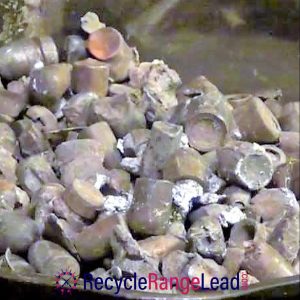
tremendous concern. However, companies like Interco recycle scrap metal and take it through a procedure to recycle brass shells. This results in 90% of metal being reused. So, to recycle scrap ammo, recyclers must find metal shell lodgings with low degrees of aluminum and manganese bronze. The scrap ammo packaging is recyclable. Recyclers can reuse scrap ammo casings a few times. Accordingly, this is how recyclers make new ammunition.
-
To start with, sort the shells by material. Shell combinations are typically produced using brass, aluminum, or steel. Sporadically they are plated with chrome, nickel, silver, or even gold.
-
At that point, in the wake of arranging, recyclers must evacuate the shell.
-
Shells are “flew” in a high-temperature furnace subsequent to being arranged. This powers any live adjusts to detonate.
-
At long last, a quality control chief checks the shells and places them in an exceptional canister to cool.
-
Next, recyclers need to clean the shells. Cleaners flush the shells to evacuate however much lead and soil as could reasonably be expected.
-
Analysts run clean-and-popped shells through a shaker table. They evacuate live adjusts and other undesirable materials.
-
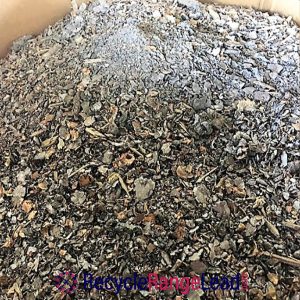
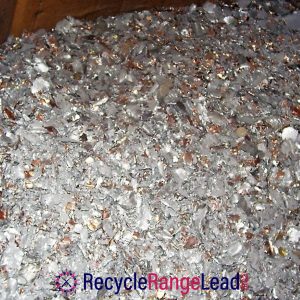
Besides, a sledge plant or shredder takes the shells and disfigures them into littler pieces. At that point, an aggregator machine takes these pieces and loads them for transportation.
-
At last, recyclers take the shells to a brass factory where they dissolve and join them. They blend them in with metallic components to accomplish the particular mix. At that point, they outline the shells into pole or ingot.
Recycle Range Lead
buys scrap ammo anyplace in the United States. Due to transportation costs, it can be difficult to recycle brass shells. In any case, Recycle Range Lead beats any travel issues.